
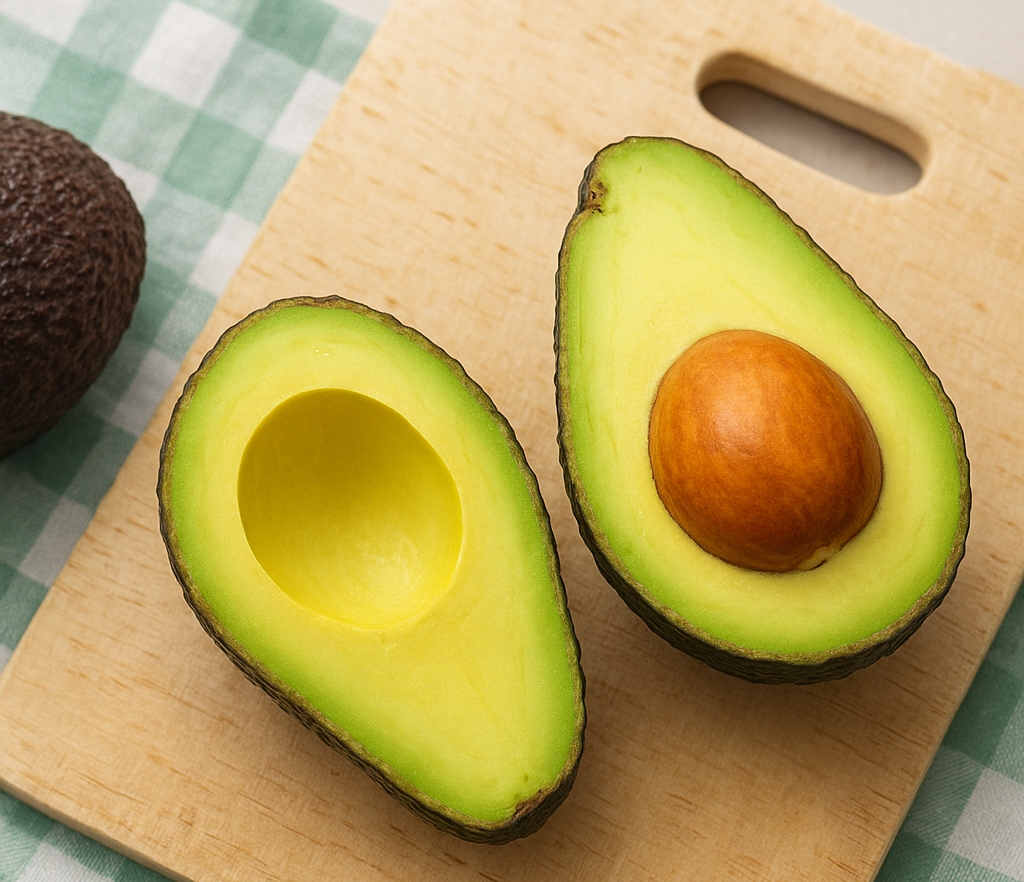
Avocados should be ranked as one of the top five healthiest foods on the planet. Avocados are truly an amazing food for many reasons, but until recently, you wouldn’t know it. Years of being scared away from fat-containing foods have led many people to overlook nutrient-dense avocados. Today thanks in part to the low-fat diet risks that have been revealed we know that avocado benefits include critical, healthy monounsaturated fats in addition to much more: various antioxidants, multiple trace vitamins and minerals too.
Healthy Benefit of Avocado
Avocados are a nutrient-dense fruit that contain about 20 vitamins and minerals. Given its nutritious make-up, there are many avocado benefits. These include better heart and digestive health; healthy skin, hair and eyes; cancer prevention and weight loss, among others.
1. Improved Heart Health
Avocados (and especially avocado oil) promote heart health by balancing blood lipids because of their fatty acid composition. In terms of their chemical make-up, avocados are about 71 percent monounsaturated fatty acids, 13 percent polyunsaturated fatty acids and 16 percent saturated fatty acids.
2. Lower Risk for Metabolic Syndrome
Eating avocados has been found to be clinically associated with lower metabolic syndrome in U.S. adults. Metabolic syndrome is a term for a cluster of conditions that increases your risk of developing heart disease, stroke and diabetes. Some other avocado benefits include help with: hypertension, high blood sugar, high blood pressure, high cholesterol, obesity and excess body fat around the waist.
Essentially, eating avocados helps regulate hormones associated with risk factors for diabetes, obesity and cardiovascular diseases, including insulin, triglycerides and cholesterol. The researchers discovered that avocado consumers were 50 percent less likely to develop metabolic syndrome than people who don’t normally eat them!
3. Healthy Skin, Eyes and Hair
Avocados are rich in fat-soluble vitamins and monounsaturated fats, avocado benefits also include glowing skin, bright eyes and shiny hair both when eaten or used topically. Avocado benefits for skin include possibly being nature’s best moisturize.
Avocados are a high-antioxidant food that contain lutein, a type of carotenoid that protects eye health and preserves healthy, youthful looking skin and hair. Carotenoids are the group of antioxidant phytochemicals found in veggies like carrots, squash and sweet potatoes that are known for blocking the effects of environmental toxins like pollution and UV light damage.
To promote a healthy, shining complexion, simply rub the inside of an avocado peel on your skin and use avocado oil as your primary moisturizer. Mix in some therapeutic essential oils and you can easily make a cost-effective lotion instead of pouring out money for that store-bought stuff filled with irritating chemicals! Avocado can also be used to make homemade hair masks to replenish, moisture and add shine.
4. Cancer Prevention
Several studies have surfaced recently touting avocado as a cancer-fighting food. A recent study by The Journal of Nutrition and Cancer claiming that the phytochemicals in avocados are so powerful that they could prevent the use of chemotherapy in people with oral cancer!
Another research suggests that phytochemicals in avocados help induce cell cycle arrest, inhibit growth, and induce apoptosis in precancerous and cancer cell lines. Beta-sitosterol is also highly protective of the prostate and linked to better immune function and lower prostate cancer risk, while carotenoid antioxidants are beneficial for preventing skin cancer — making eating avocados a great way to fight skin cancer with food.
5. Help with Weight Loss
Fats are super filling and increase satiety hormones that help you eat less overall. They allow you to go longer between meals without getting hungry and help prevent overeating, snacking and sugar addiction. That’s one reason why increasing MUFAs in the diet is related to better weight management and healthier BMI status.
6. Better Digestive Health
Avocados are one of the best fruit sources of fiber. High-fiber foods are important for anyone with digestive tract issue because fiber helps shift the balance of bacteria in the gut, increasing healthy bacteria while decreasing the unhealthy bacteria that can be the root of some digestive disorders. Fiber also helps add bulk to stool, makes it easier to go to the bathroom, and helps pull waste and toxins through the intestines and colon.
Fats are also essential for digestion and nutrient absorption because they nourish the lining of the gut. A low-fat diet can result in constipation or symptoms of irritable bowel syndrome (IBS), which is a fluctuating disorder of the gastrointestinal tract characterized by abdominal pain and change in bowel habits.
Disclaimer: This article is for general informational purposes only and should not be considered medical advice. Natural foods, herbs, and essential oils may support wellness, but results can vary for each individual. Always consult your doctor or a qualified healthcare professional before starting any new diet, supplement, or treatment, especially if you have an existing medical condition or are taking medication. The author and publisher are not responsible for any possible side effects or adverse reactions from the use of the information contained herein.
VIEW ALL
MORE FOR YOU

6 Amazing Health Benefits Of Eating Oranges
6 Health Benefits Of Avocado - World's Healthiest Food
10 Surprising Health Benefits Of Kiwi

6 Impressive Health Benefits Of Eating Eggs Everyday

5 Spices With Healthy Benefits
10 Reason You Should Eat Blueberries Everyday

5 Health Benefits Of Mentha Or Pudina Essential Oil That Make It Cooler Than Ever

Turmeric Tea Health Benefits For Immunity Blood Sugar And Cholesterol

6 Exciting Health Benefits Of Gooseberry Or Amla For Hair