

Cardamom, often called the "Queen of Spices," is a fragrant seed pod native to India and Southeast Asia. It’s used widely in both sweet and savory dishes, famed for its unique flavor and health-boosting properties. Beyond culinary delights, cardamom has a long tradition in natural medicine. Modern research now supports many of its uses—especially for blood sugar management, cardiovascular wellness, and digestive comfort.
1. Supports Healthy Blood Sugar Levels
Cardamom contains polyphenols which may improve insulin sensitivity and promote more balanced blood glucose. Clinical studies suggest regular use may help lower fasting blood sugar in people with diabetes and metabolic syndrome. Its natural compounds also help counteract oxidative stress—a major cause of insulin resistance. Adding cardamom to meals or beverages may support sustained energy throughout the day.
2. Boosts Heart Health
Research indicates that cardamom can help regulate blood pressure, thanks to its diuretic properties and high antioxidant content. It may reduce LDL (“bad”) cholesterol and triglycerides while raising HDL (“good”) cholesterol. The spice’s anti-inflammatory effects benefit blood vessel flexibility, helping prevent plaque buildup and promoting optimal circulation. Some evidence also links cardamom consumption to a lower risk of heart attack and stroke.
3. Eases Digestive Discomfort
Traditionally, cardamom has been used to treat indigestion, nausea, bloating, and gas. Its essential oils stimulate the secretion of digestive enzymes and promote overall gut comfort. Cardamom may help relax intestinal muscles and reduce spasms, making it effective for irritable bowel syndrome (IBS) and minor stomach cramps. It also supports healthy appetite and may protect against gastric ulcers.
4. Provides Powerful Antioxidant Effects
Cardamom is loaded with phytochemicals that neutralize free radicals and fight inflammation. These antioxidants help protect tissues against chronic diseases such as diabetes, heart disease, and some cancers. Regular use of cardamom may also slow aging and support detoxification pathways in the body.
5. Freshens Breath and Supports Oral Health
Cardamom’s natural antibacterial compounds help fight bad breath, cavities, and gum disease. Chewing cardamom pods after meals not only freshens breath but can also protect your dental health by reducing harmful bacteria in the mouth.
6. May Help With Weight Control
Some studies suggest cardamom can help boost metabolism and aid fat breakdown, potentially supporting weight management efforts. It may also reduce cravings and improve digestion, making it a healthy addition to weight-loss diets.
7. Combats Respiratory Issues
Cardamom's warming properties and expectorant effects make it a traditional remedy for coughs, asthma, and respiratory discomfort. It helps relax airway passages and may ease congestion and breathing difficulties.
8. Uplifts Mood and Cognitive Function
Aromatherapists use cardamom essential oil for its uplifting scent and relaxing qualities. Some evidence suggests the spice can reduce anxiety, improve mood, and enhance mental clarity.
Ways to Enjoy Cardamom
Try adding ground cardamom to coffee, tea, oatmeal, smoothies, curries, baked goods, and desserts. Chew whole pods after meals for digestive and breath benefits. You can even use cardamom in aromatherapy blends for an energizing, soothing effect.
Cardamom’s rich flavor and diverse health advantages make it a must-have spice for any kitchen. Regular inclusion in your diet brings sweetness, aroma, and lasting wellness—one delicious pinch at a time.
Disclaimer: This article is for general informational purposes only and should not be considered medical advice. Natural foods, herbs, and essential oils may support wellness, but results can vary for each individual. Always consult your doctor or a qualified healthcare professional before starting any new diet, supplement, or treatment, especially if you have an existing medical condition or are taking medication. The author and publisher are not responsible for any possible side effects or adverse reactions from the use of the information contained herein.
MORE FOR YOU
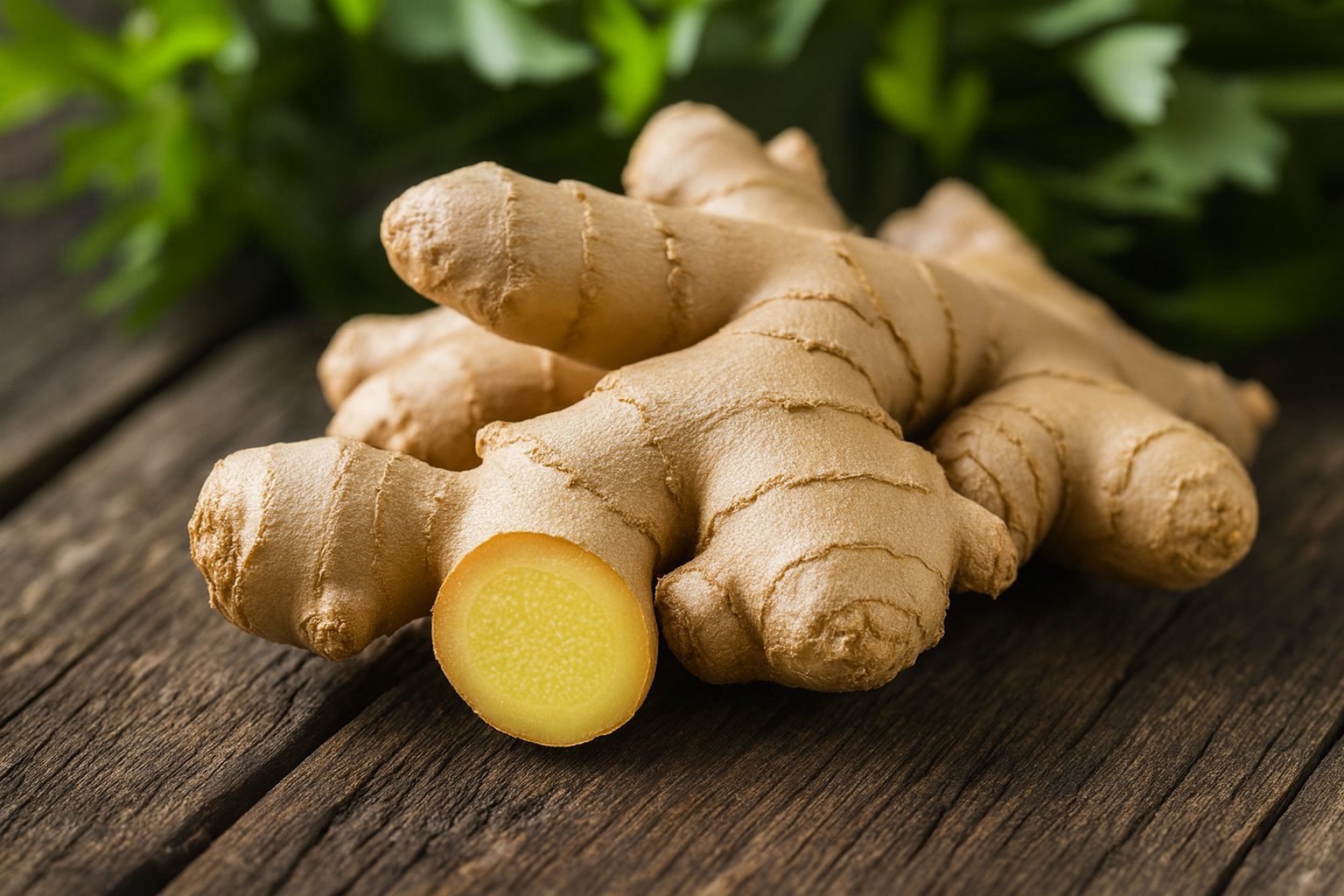
From Digestion to Immunity: The Many Benefits of Ginger
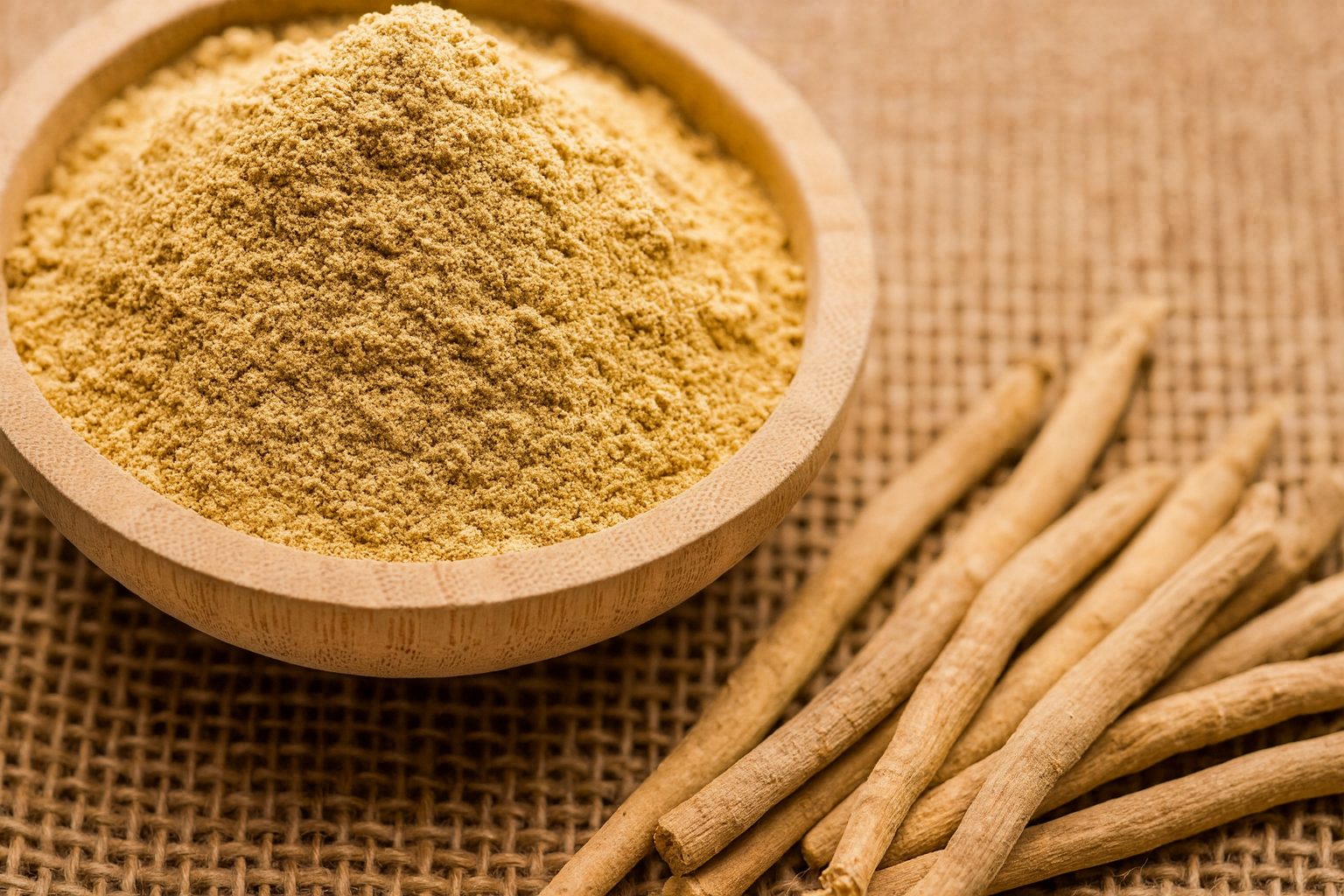
Ashwagandha: The Ancient Herb for Modern Stress
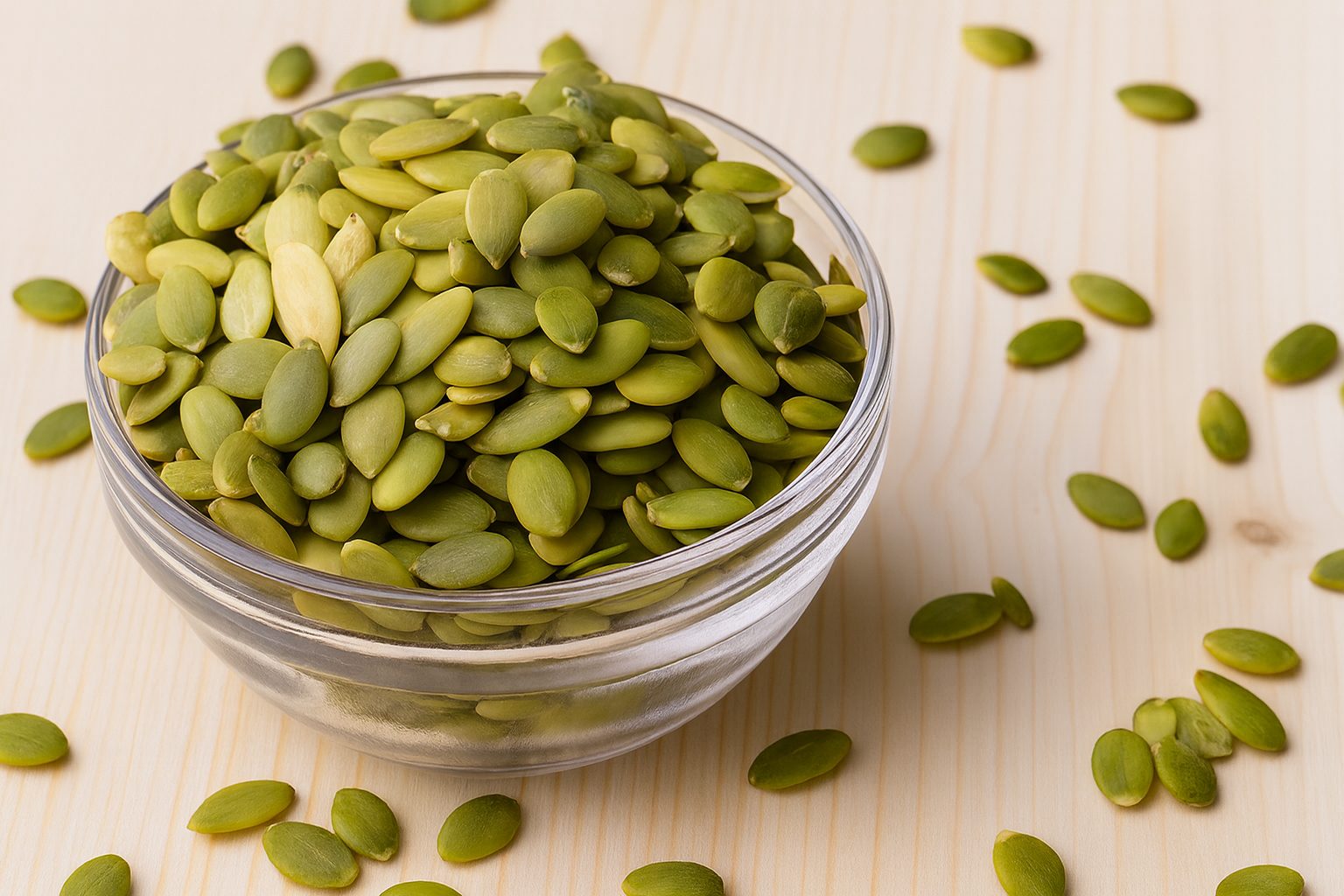
The Superfood You’re Overlooking: Pumpkin Seeds
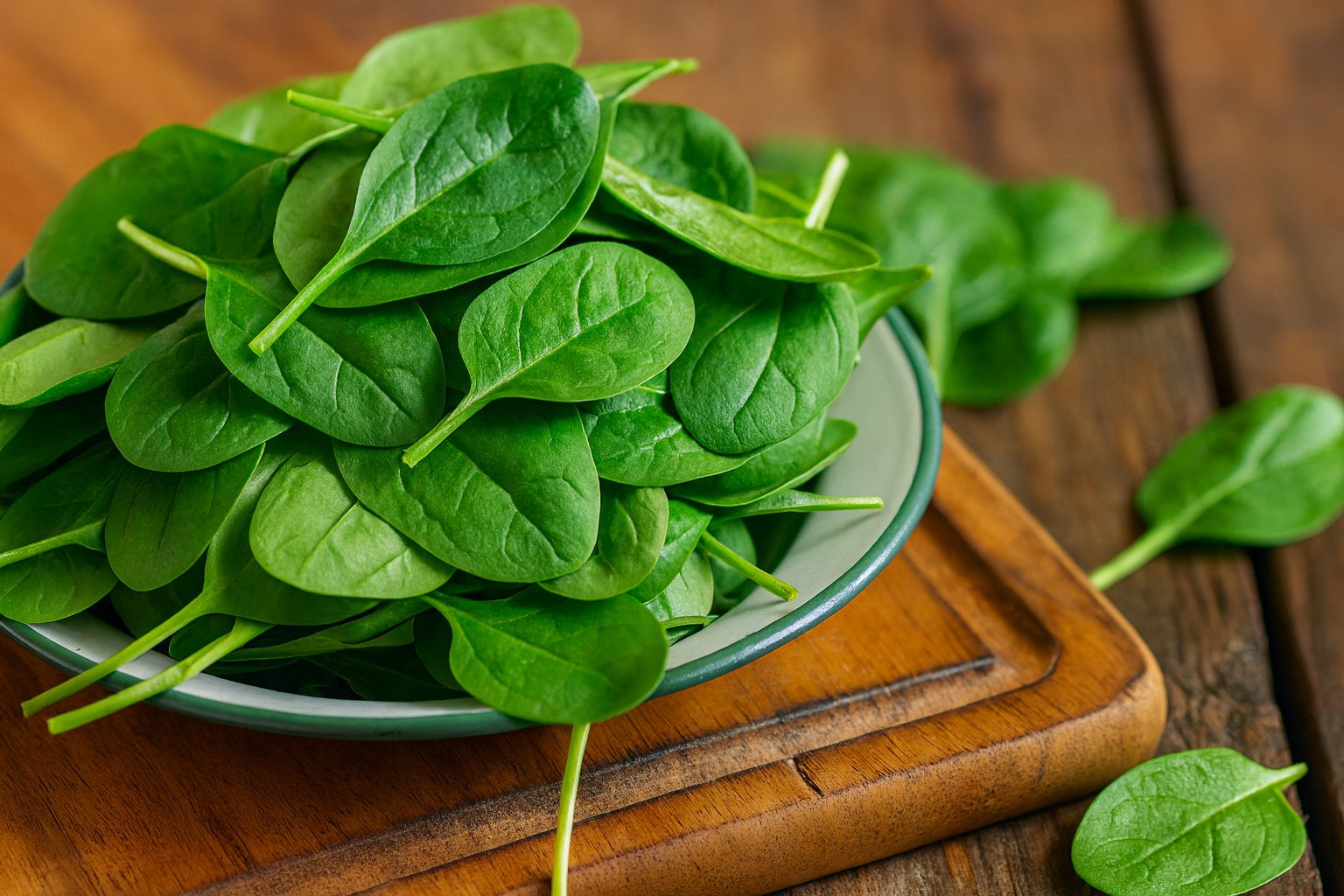
The Nutrient Powerhouse: Health Benefits of Spinach

Why Turmeric Is the Golden Spice of Health

Why Pomegranate Is a Heart-Healthy Superfruit

Surprising Foods That Pack More Vitamin K Than Kale

The Goodness of Almonds: 8 Reasons to Eat Them Daily

11 Fruits That Are High in Magnesium